
Appointment Automation: 5 Ways to Win More Bookings
Appointment automation is a system that allows clients to book, reschedule, and cancel appointments online 24/7. By integrating automated SMS/email reminders and syncing with staff calendars, businesses can eliminate manual scheduling errors, drastically reduce no-show rates, and significantly increase overall administrative efficiency and revenue for service providers.
The Evolution of the Digital Handshake
For decades, the "digital handshake" between a small business and its client was a phone call. A potential customer would call, a receptionist would check a paper ledger or a basic digital calendar, and a time would be agreed upon. If the call was missed, the opportunity often vanished. Today, that handshake has moved into the cloud. Small businesses—from bustling hair salons in Noumea to high-stakes consultants—are realizing that manual scheduling is no longer just a chore; it is a bottleneck that restricts growth.
Modern consumers prioritize convenience above almost all else. If they can’t book a service while scrolling through their phone at 10:00 PM on a Sunday, they will likely find a competitor who offers that flexibility. Appointment automation bridges this gap, transforming a business from a traditional 9-to-5 operation into a 24/7 service powerhouse. This shift isn't just about software; it’s about aligning your business operations with the modern rhythm of life.
Why do small businesses need appointment automation?
The primary driver for adopting appointment automation is the elimination of administrative friction. When a business relies on manual booking, they are susceptible to a range of inefficiencies that quietly drain profit. These include missed calls, double bookings, and the "time tax" of playing phone tag with clients who need to reschedule. For a small business with limited staff, every minute spent on the phone is a minute not spent delivering the actual service.
Beyond just saving time, automation provides a level of professional consistency that manual systems cannot match. An automated system never forgets to send a confirmation or a reminder. It never mishears a date or time. By centralizing all booking data into a single, automated source of truth, businesses can gain better visibility into their performance, peak hours, and client preferences. This data-driven approach allows for smarter custom workflows that can be optimized over time.
Key Pain Points Solved by Automation:
- Availability Gaps: Capturing leads outside of business hours.
- Human Error: Reducing the risk of overlapping appointments or lost bookings.
- Administrative Fatigue: Freeing staff from repetitive, low-value communication tasks.
- Revenue Leakage: Minimizing the impact of late cancellations and no-shows.
- Customer Frustration: Providing an instant, self-service booking experience.
The Impact of 24/7 Online Booking on Consumer Behavior
Consumer behavior has shifted toward "self-service first." People increasingly prefer to manage their own schedules without the need for a social interaction via phone. This is particularly true for younger demographics, but it is a trend that spans all age groups. When a business offers 24/7 online booking, it sends a message of modernization and respect for the customer’s time.
The psychological impact of instant confirmation should not be underestimated. When a client books an appointment and immediately receives a professional confirmation email or text, their anxiety about the booking is removed. They trust that the business is organized and reliable. This trust translates into higher retention rates and better customer reviews. Furthermore, 24/7 booking often captures impulsive decisions—a customer might realize they need a haircut or a dental check-up late at night and book right then and there, whereas they might forget to call the next morning during business hours.
How do automated reminders effectively reduce no-shows?
No-shows are the silent killers of service-based businesses. When a client fails to show up for a scheduled slot, the business loses the revenue from that hour, but the fixed costs—rent, utilities, and staff wages—remain. Appointment automation addresses this directly through a multi-step notification sequence. By sending an initial confirmation, a 24-hour reminder, and perhaps a 1-hour "on my way" text, the business keeps the appointment at the top of the client’s mind.
Automation also makes it easier for clients to be "good" customers. Most no-shows aren't intentional; people simply forget. By including a clear, one-click rescheduling link in the reminder message, businesses give clients a way to adjust their plans if something comes up. This allows the business to fill that newly opened slot much faster than if they had only discovered the conflict five minutes before the appointment. Some businesses also use automation to collect deposits or full payments upfront, which creates a financial commitment and drastically lowers the likelihood of a no-show.
Effective Reminder Strategies:
- Multi-Channel Approach: Use both SMS and Email to ensure the message is seen.
- Strategic Timing: Send reminders at 48 hours and 2 hours before the event.
- Clear Calls to Action: Provide buttons for "Confirm," "Reschedule," or "Cancel."
- Personalization: Include the staff member's name and specific instructions (e.g., parking info).
- Feedback Loops: Ask for a quick confirmation reply to lock in the slot.
Maximizing Staff Productivity Through Workflow Integration
One of the most significant benefits of automating your schedule is the immediate boost in staff productivity. In many service businesses, the most skilled employees are often the ones also managing the books. A senior stylist or a specialized consultant shouldn't be spending their time navigating a calendar. Automation acts as a virtual assistant that handles the logistics, allowing your team to focus entirely on their craft.
When booking is automated, the workflow becomes predictable. Staff can walk into the office or salon and see a perfectly synced, up-to-the-minute schedule on their own devices. There is no need for a morning meeting to synchronize everyone’s day. Furthermore, many automation services allow for the attachment of intake forms. This means that by the time a client walks through the door, the staff already has all the necessary information, preferences, or medical history needed to provide an exceptional service immediately. This level of preparation is the hallmark of a high-growth business.
What role does calendar sync play in operational efficiency?
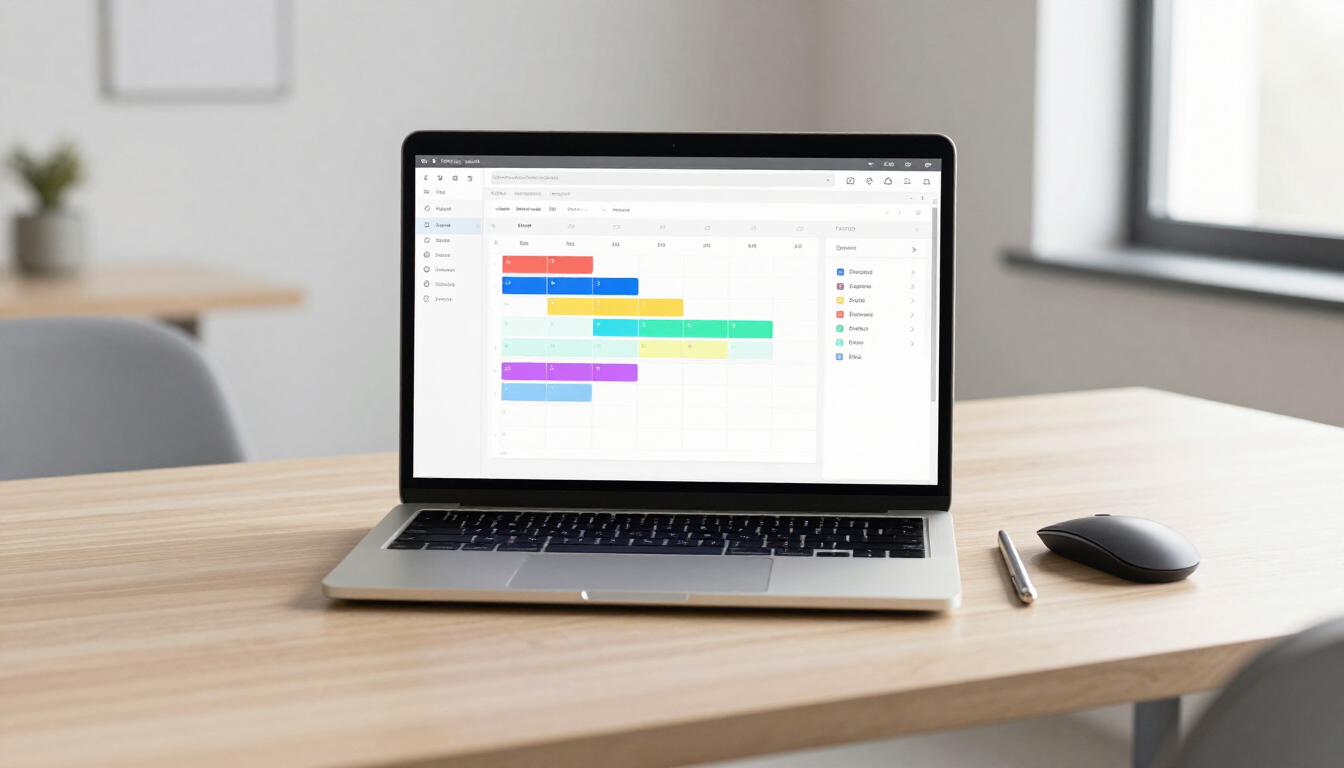
Real-time calendar synchronization is the engine that keeps automation running smoothly. Without it, you run the risk of the "double booking nightmare." A robust system should sync across multiple platforms—such as Google Calendar, Outlook, and iCal—ensuring that if a staff member marks themselves as unavailable for a personal reason on their phone, that time slot is instantly blocked off on the public booking page.
This bi-directional sync is crucial for consultants or repair shops that may spend half their time in the office and half on-site. It ensures that the "available" times shown to the public are always accurate. Additionally, calendar sync allows for better resource management. For instance, if a clinic has five treatment rooms but only four available practitioners, the system can be configured to stop taking bookings once the staff limit is reached, regardless of room availability. This level of logic is impossible to maintain manually at scale, but it is simple with the right app stack .
Industry Spotlights: From Salons to Consultants
The application of appointment automation varies across industries, but the core benefits remain the same. In the beauty and wellness industry, automation helps manage high volumes of short appointments, often with different staff members. Features like "add-on" services during the booking process can also increase the average ticket price by prompting clients to book a deep-conditioning treatment or a facial alongside their main service.
For professional consultants and coaches, automation often integrates with video conferencing tools like Zoom or Google Meet. When a client books a session, the system automatically creates a meeting link and sends it to both parties. This removes the administrative step of setting up virtual rooms and sending invitations. In the home repair or HVAC industry, automation can include location-based scheduling, ensuring that technicians aren't driving back and forth across town but are instead scheduled in a way that minimizes travel time and fuel costs.
How to choose the right automation tool for your business?
Choosing the right tool depends on your specific complexity. If you are a solo practitioner, a simple booking link might suffice. However, as your team grows, you will need features like team routing, automated waitlists, and complex buffer times (to allow for cleaning or travel between clients). It is essential to look for platforms that integrate seamlessly with your existing tools, such as your CRM, email marketing software, and payment processors.
At SmartFl8w, we specialize in helping businesses identify these needs and implementing prebuild flows or custom solutions that fit their unique operations. The goal is to create a frictionless system that works for you, not the other way around. If you're unsure where to start, our FAQ page covers many common questions about the transition to automated systems.
Strategic Takeaways for Small Business Growth
Implementing appointment automation is no longer a luxury; it is a foundational requirement for any service-based business looking to scale in a digital-first economy. By removing the barriers to booking and the headaches of manual management, you create a more resilient, profitable, and customer-centric operation.
- Efficiency: Automation saves hours of administrative labor every week, allowing you to reallocate resources to growth-focused tasks.
- Revenue: 24/7 booking captures more leads, and automated reminders protect your income by reducing no-shows.
- Experience: Customers enjoy a seamless, professional interface that reflects the high quality of your actual services.
- Scalability: A digital system can handle ten or a thousand bookings with the same level of accuracy, providing a path for business expansion.
Ready to reclaim your time and modernize your booking process? We invite you to explore our pricing or book a free consultation to see how automation can transform your business today.